
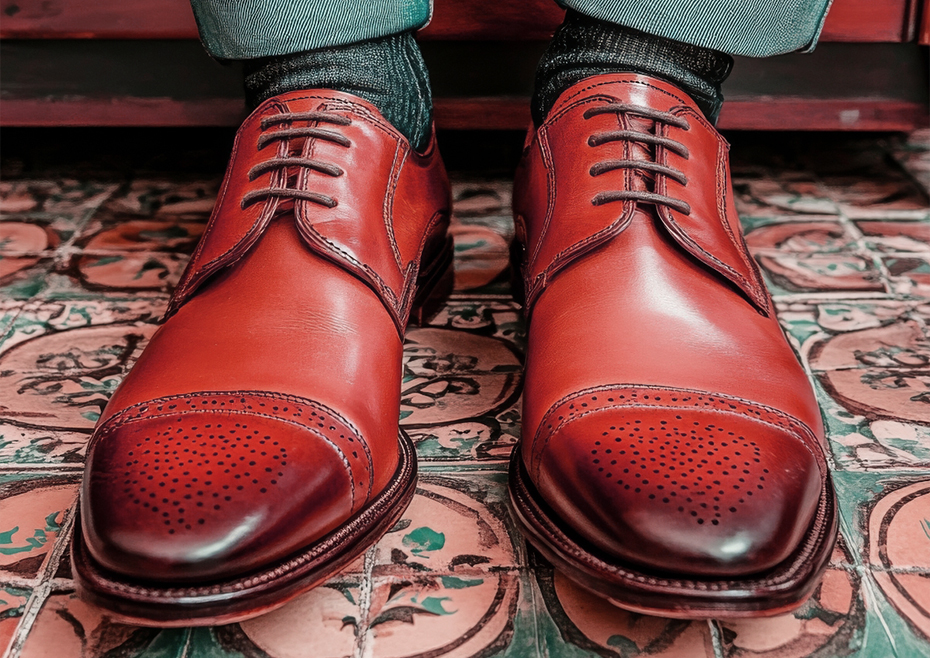
Finding the right size without stepping into the store can feel like a gamble. You browse through a gallery of sleek silhouettes, select your typical size, and wait for the delivery. The comes the moment of truth: the pinch at the toes or the slip at the heel.
Returning items consumes your energy and delays your style plans. However, mastering the art of digital footwear shopping is entirely possible with a methodical approach.
By understanding your foot’s unique dimensions and interpreting brand-specific data, you can secure a great fit every single time.
So, here is your complete roadmap to effortless online shoe shopping.
The Foundation of a Great Fit
Before you even open a browser tab, you need accurate data. Many people assume their size remains static for decades, but factors like activity levels and even time of day change the physical footprint.
Relying on a number you wore three years ago is a common error that results in cramped toes or loose heels.
To start, gather a sheet of paper, a pen, and a ruler. Stand on the paper with your weight evenly distributed. Trace the outline your foot, keeping the pen vertical to avoid adding extra millimeters. Measure the distance from the back of the heel to the tip of your longest toe. This measurement in centimeters or inches is your true baseline.
Why Evening Measurements Matter
Your feet expand throughout the day. If you measure your feet first thing in the morning, you are capturing them at their smallest. By the time, you’ve walked to meetings or navigated a grocery store, your feet are slightly larger.
So, always measure in the late afternoon or evening to ensure the shoes you can accommodate this natural shift.
Deciphering the Size Chart
Every brand interprets sizing differently. This is where the conversion table becomes your primary tool.
International Variations
If you are shopping across borders, the confusion multiplies. US, UK, and EU sizing systems do not align linearly. A European 42 might be a US 9 in one brand and a US 8.5 in another.
Look for the “CM” or “JP” size on the chart. It represents the actual length of the footbed in centimeters, which is the only universal constant in the industry.
Width Considerations
Length is only half the story. If you have a wide forefoot or a narrow heel, standard sizing will often fail you. So, look for designations like “D,” “E,” or “Wide Fit.”
If a brand doesn’t offer variations, read the description to see if the silhouette is described as “tapered” or “roomy.”
In case of structured pieces, footwear needs to be streamlined but functional; if the shoe is too narrow, it ruins the silhouette if the entire outfit by forcing an awkward gait.
Material Behavior and Break-in Periods
The fabric of the shoe dictates how it feels after a week of wear. Synthetic materials generally hold their shape rigidly, meaning the fit you feel on day one is the fit you will have forever.
Natural materials, on the other hand are dynamic.
- Leather: High-quality leather stretches and molds to the heat of your skin. If a leather shoe feels slightly snug (but not painful) initially, it will likely become a second skin within a few wears.
- Suede: This is even more pliable than standard leather. It tends to give significantly, so if you are between sizes, the smaller option is often wiser.
- Canvas and Textiles: These offer very little stretch. If they feel tight during the initial trial, they will remain tight.
Understanding these properties prevents the frustration of a shoe that starts off right but becomes too loose, or a shoe that never stops pinching.
Reading Between the Lines of Reviews
User feedback is a goldmine of information if you know how to filter it. Instead of looking at star ratings, search for specific keywords like “narrow,” “arch support,” or “true to size.”
Look for Size Up or Size Down
If dozens of shoppers suggest going half a size up, pay heed to their advice. Brands often have a “last” (the wooden or plastic form of a shoe is built around) that runs small across their entire catalog.
Pay Attention to the Date
Manufacturing processes tend to change. A review from four years ago might not reflect the current fit of a rejuvenated model. Focus on feedback from the last six to twelve months to get the accurate picture of the current inventory.
Manufacturing processes tend to change. A review from four years ago might not reflect the current fit of a rejuvenated model. Focus on feedback from the last six to twelve months to get the accurate picture of the current inventory.
Logistics: From Click to Doorstep
When you find the right pair, timing matters. For those coordinating an outfit for a specific event, remember to order a shoe before your event. Once the courier arrives, inspect your order properly, before paying to the delivery agent.
So, planning your purchase at least ten days before an important engagement ensures you have time to try the shoes on, walk around your carpeted living room, and confirm the fit matches your expectations.
This buffer also allows for a stress-free exchange if the specific cut of the shoe doesn’t align with your foot shape.
Professional Tips for Online Success
- Check the Arch: If you have high arches, look for shoes with a contoured footbed or enough volume to add an insert.
- The Thumbnail Rule: You should have about a thumbnail’s width of space between your longest toe and the end of the shoe. This prevents "toe strike" during downhill walking or quick movements.
- Socks Matter:Try on your new shoes with the socks you actually intend to wear with them. Trying on a sleek dress shoe with thick athletic socks will give you a false sense of the fit.
Detailed Size Comparison Guide
| Foot Length (cm) | US Size (Men's) | US Size (Women's) | EU Size |
|---|---|---|---|
| 23.5 | 5.5 | 7 | 37.5 |
| 24.1 | 6 | 7.5 | 38 |
| 24.4 | 6.5 | 8 | 39 |
| 24.8 | 7 | 8.5 | 39.5 |
| 25.4 | 7.5 | 9 | 40 |
| 25.7 | 8 | 9.5 | 41 |
| 26.0 | 8.5 | 10 | 41.5 |
Overview of the Ideal Purchase
Securing the right footwear online is a blend of accurate self-measurement and brand research. By ignoring the “standard” size label and focusing on centimeter measurements and material types, you tend to eliminate the guesswork.
This methodical approach ensures that when your package arrives, the contents are ready to immediately, complementing your wardrobe and supporting your daily movement without discomfort.
Design & Fit
Modern footwear design focuses on the synergy between the sole and the upper. A well-designed shoe offers a secure heel cup to prevent friction and a toe box that allows for natural display.
When viewing product photos, look at the overhead shot. If the toe area looks significantly narrower than your natural foot’s shape, the shoe will likely cause pressure points regardless of the size you choose.
For a clean professional look, choose shapes that mimic the natural curves of the human foot while maintaining a sharp, and modern edge.
Material & Maintenance
To maintain the shape and fit of your shoes, proper maintenance is essential.
- Rotation: Avoid wearing the same pair two days in tandem. Giving the material 24 hours to breathe and dry out helps it retain its structural integrity.
- Storage: Use shoe trees for leather items to prevent the toe from curling and the leather from creasing.
- Cleaning: Use a damp cloth for surface debris and specific cleaners for suede or nubuck. Avoid heat sources for drying, as this causes shrinkage and cracks in the material.
Size Chart
The following chart serves as a general guide. Always refer to the specific link on the product page for an accurate brand-specific data.
- Small: Fits foot lengths 22–23.5 cm
- Medium: Fits foot lengths 24–25.5 cm
- Large: Fits foot lengths 26–27.5 cm
- Extra Large: Fits foot lengths 28–29.5 cm
Final Thoughts on Your Selection
Shopping for shoes online shouldn’t be a source of stress. By taking five minutes to measure your feet tonight and checking the specific size chart, you can act with confidence.
Remember that a shoe that fits correctly is the foundation of your entire posture and presence. When you are comfortable, you tend to project authority and ease.