
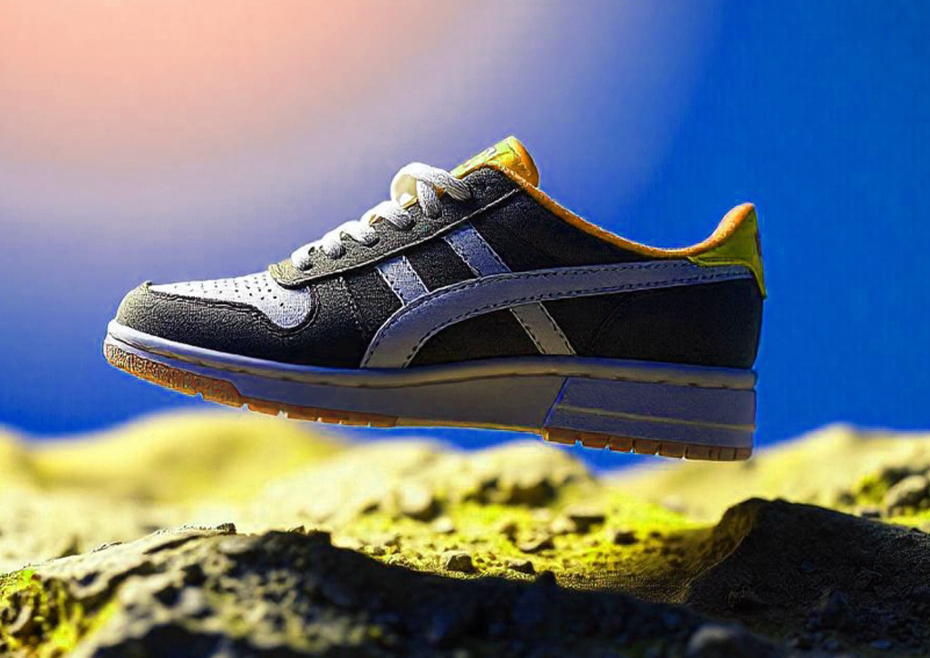
The choice between a sleek pair of oxfords and a versatile set of sneakers used to be a simple matter of where you were headed.
One belonged in the boardroom, the other on the track. However, modern style has blurred these boundaries, creating a landscape where your footwear defines your daily narrative.
Are you the person sprinting between urban meetings, or the one commanding a room with a structured silhouette? Your shoes are the foundation of your public identity, influencing how you move and how others perceive your energy.
Selecting the right category is about aligning your aesthetic with your reality.
The Evolution of the Modern Wardrobe
Footwear is no longer a rigid category. We live in an era where versatility is the primary currency of fashion. The shift toward hybrid environments, where a morning coffee meeting transitions into a late-afternoon galley opening, has forced us to re-evaluate what we put on our feet.
The tension between sneakers and formal shoes is essentially a conversation about your priorities: do you value the heritage of craftsmanship or the innovation of athletic engineering?
The Rise of the Elevated Sneaker
Sneakers have moved far beyond gymnasium. High-quality materials like full-grain leather and minimalist suedes have transformed the “trainer” into a piece of footwear that can hold its own alongside a tailored blazer.
This shift isn’t just about comfort; it is about a cultural move toward a more approachable, dynamic form of professionalism.
When you choose a minimalist sneaker, you are signaling that you are active, contemporary, and ready for a fast-paced environment.
The Persistence of the Formal Silhouette
Despite the casual trend, the formal shoe remains a powerful tool. There is a psychological weight to a hard-bottomed shoe that a rubber sole cannot replicate. A well-made brogue or a sharp loafer provides a sense of grounding and authority.
It suggests a respect for tradition and an eye for detail. In high-stakes environments, the formal shoe is often the differentiator that completes a look of absolute competence and focus.
Analyzing Your Daily Routine
To decide which style fits your lifestyle, you must look at the data of your day. Footwear should never be a hindrance; it should be an enabler of goals.
The Urban Commuter
If your day involves navigating public transit, walking several blocks between buildings, and standing for long durations, the construction of a sneaker is hard to ignore. Modern midsoles offer energy return and impact protection that traditional leather soles lack
A sleek, monochromatic sneaker allows you to maintain a professional appearance while protecting your stamina.
The Executive Presence
For those whose days are spent in structured environments, boardrooms, courtrooms, or formal dining spaces. Actually, the formal shoe is non-negotiable. The click of a heel on a hard floor creates a subtle but undeniable presence.
Formal shoes are designed to complement the lines of a suit, ensuring that the proportions of your trousers look intentional.
The Overview
This guide examines the structural and aesthetic differences between athletic-inspired footwear and traditional footwear. While sneakers offer unparalleled flexibility and ease of movement, formal shoes tend to provide a sense of stature and timeless elegance.
The goal is to identify which style supports your professional trajectory and personal comfort. Both have a place in a well-rounded wardrobe, but one usually dominates based on your specific industry and social circle.
Design & Fit
The Sneaker Profile
Sneakers are built on a philosophy of “forgiveness.” The uppers are often made of mesh, knit, and soft leathers that expand and contract with the foot. The fit is generally voluminous, allowing for varied sock thickness and natural foot splay.
The design language is often bold, using varying textures and sole heights to create a forward motion.
The Formal Shoe Profile
Formal shoes are built on a “last.” It’s a solid form that dictates a specific, often narrower shape. The fit is intended to be precise. There is less room for error in sizing because the materials do not have the same elasticity as a sneaker.
The design focuses on clean lines, delicate stitching, and a low profile that doesn’t compete with the rest of the outfit. A formal shoe is meant to elongate the leg and provide a sharp finish to the silhouette.
Material & Maintenance
The longevity of your footwear depends entirely on the materials used and how you maintain them.
Sneaker Materials
Many modern sneakers utilize a combination of synthetic textiles and rubber.
- Maintenance: These require frequent surface cleaning to keep the whites bright and the colors vivid.
- Longevity: Because the foam in the midsole eventually loses its "bounce," sneakers have a finite functional lifespan, often measured in miles or months of heavy use.
Formal Shoe Materials
Formal shoes rely heavily on animal hides and wooden or stacked leather heels.
- Maintenance: These require polishing to keep the leather hydrated and protected from the elements.
- Longevity: A high-quality formal shoe is often "resoleable." When the bottom wears out, a cobbler can replace it, meaning the upper portion can last for a decade or more if handled with attention. This makes them a sustainable choice for the long-term wardrobe.
Size Chart
When transitioning between these two worlds, remember that sizing is rarely identical. Use this general guide to calibrate your selection.
| Foot Length (mm) | Typical Sneaker Size (US) | Typical Formal Size (US) |
|---|---|---|
| 260 | 9 | 8.5 |
| 270 | 10 | 9.5 |
| 280 | 11 | 10.5 |
| 290 | 12 | 11.5 |
Note : Formal shoes often run slightly larger in length but narrower in width than athletic shoes. It is common to drop a half-size when moving from a running shoe to a dress loafer.
Making the Final Decision
Choosing between these two isn’t about picking a winner; it’s about picking the right tools for the job.
When to Choose Sneakers
- Your office has a smart casual or casual dress code.
- You spend more than four hours a day on your feet.
- You want to project a youthful, tech-forward, or creative image.
- You prioritize ease of maintenance and immediate comfort.
When to Choose Formal Shoes
- You work in law, traditional commerce, or high-level administration.
- You are attending weddings, galas, or high-stakes negotiations.
- You want a shoe that will stay in your wardrobe for many years.
- You prefer a look that is classic, grounded, and sophisticated.
The Hybrid Alternative
If you find yourself stuck in the middle, the “Dress Sneaker” has emerged as a popular solution. These shoes use the high-end leather of a formal shoe but place it on a clean, low-profile rubber sole.
This actually offers the middle ground: the comfort of an athletic shoe with the visual polish of a dress shoe. It is a frequent choice for modern professionals who want to look sharp without compromising the ability to walk across a city campus.
Conclusion
Ultimately, the shoe that fits your lifestyle is the one that gives you confidence. If you feel “dressed down” in a sneaker at a party, your body language will reflect that. Conversely, if you feel stiff and restricted in formal shoes during a casual outing, you won’t be able to engage fully with your surroundings.
Assess your environment, measure your feet accurately using the methods discussed here, and choose a pair that helps you move through the world with purpose.